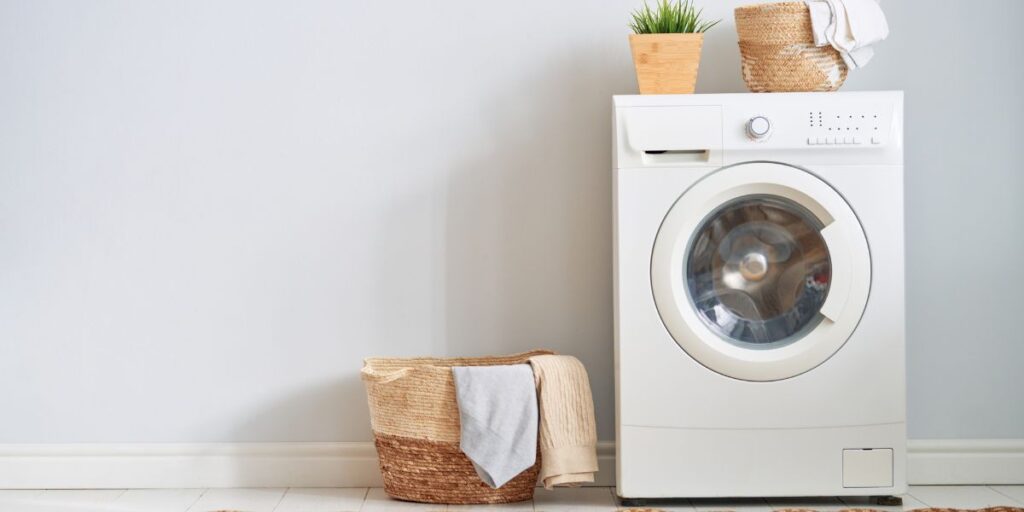
If you’ve ever found yourself puzzled by your smart washing machine acting up, fret not. From connectivity glitches to mysterious error codes, these modern appliances can sometimes be a handful. But fear not, for there are practical steps you can take to troubleshoot these issues and get your laundry routine back on track. So, let’s dive into the realm of smart washing machine mysteries and discover the secrets to resolving common hiccups that might leave you scratching your head.
Connectivity Issues
If your smart washing machine is experiencing connectivity issues, try resetting your Wi-Fi router first. Sometimes, a simple reboot can solve the problem and reestablish the connection between your washing machine and the network. Ensure that the router is placed in an optimal location for a strong signal to reach your smart appliance.
Next, check if there are any potential sources of interference near the washing machine that could be disrupting the Wi-Fi signal. Devices like microwave ovens and cordless phones can sometimes interfere with the connection. Keep these devices away from your smart washing machine to improve connectivity.
Additionally, make sure that the Wi-Fi network name (SSID) and password entered in the washing machine’s settings are correct. Typos or outdated information can lead to connectivity issues. If needed, update the network information in the appliance’s settings to match your current Wi-Fi credentials.
Error Messages
To troubleshoot error messages on your smart washing machine, start by checking the display panel for any specific codes or notifications. When you encounter an error message, refer to the user manual to identify the meaning of the code displayed.
Common error messages include issues with water supply, drainage problems, unbalanced loads, or door lock malfunctions. If the error message indicates a water supply problem, ensure that the water inlet hoses are connected properly and not clogged.
For drainage errors, inspect the drain hose for any blockages or kinks that may be impeding water flow. Unbalanced load errors can be resolved by redistributing the clothes inside the drum evenly.
In case of door lock errors, ensure that the door is fully closed and the lock mechanism is functioning correctly. If the issue persists after troubleshooting, contact customer support or a professional technician for further assistance.
Water Leakage
Check for any visible signs of water leakage around the base of your smart washing machine to identify potential issues. If you notice water pooling on the floor during or after a wash cycle, there may be a problem with the machine that needs addressing. Start by examining the water inlet hoses and connections for any leaks. Tighten any loose connections or replace damaged hoses to prevent further leakage.
Another common cause of water leakage is a faulty door seal. Inspect the rubber gasket around the door for any tears, cracks, or signs of wear. If you find any damage, replace the seal to create a proper watertight barrier. Additionally, check the detergent dispenser drawer for any blockages or obstructions that could be causing water to overflow during the wash cycle.
Regularly maintaining your smart washing machine by cleaning the pump filter and checking for any clogs can help prevent water leakage issues in the future. If you continue to experience leaks after troubleshooting these common areas, contact a professional technician for further assistance.
Unusual Noises
Experiencing unusual noises coming from your smart washing machine can indicate underlying issues that require attention. If you hear loud banging or thumping sounds during the wash cycle, it could mean that the load inside the machine is unbalanced. Try pausing the cycle, redistributing the items evenly, and resuming the wash to see if the noise persists.
Rattling or clanking noises may suggest that foreign objects like coins or buttons have gotten caught in the drum or pump. In this case, turn off the machine, unplug it, and carefully check for any obstructions.
A high-pitched squealing or grinding noise might point to a problem with the bearings or motor. It’s essential to address these issues promptly to prevent further damage to your washing machine. If you’re unsure about diagnosing or fixing the problem yourself, don’t hesitate to contact a professional technician for assistance in resolving the unusual noises coming from your smart washing machine.
Trending Products