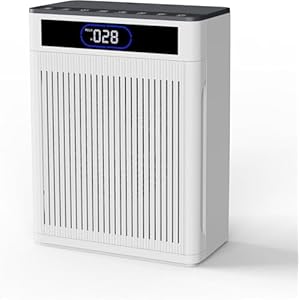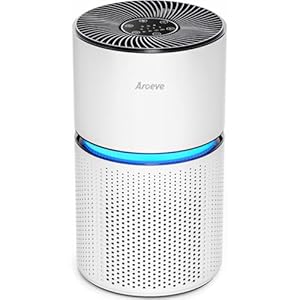
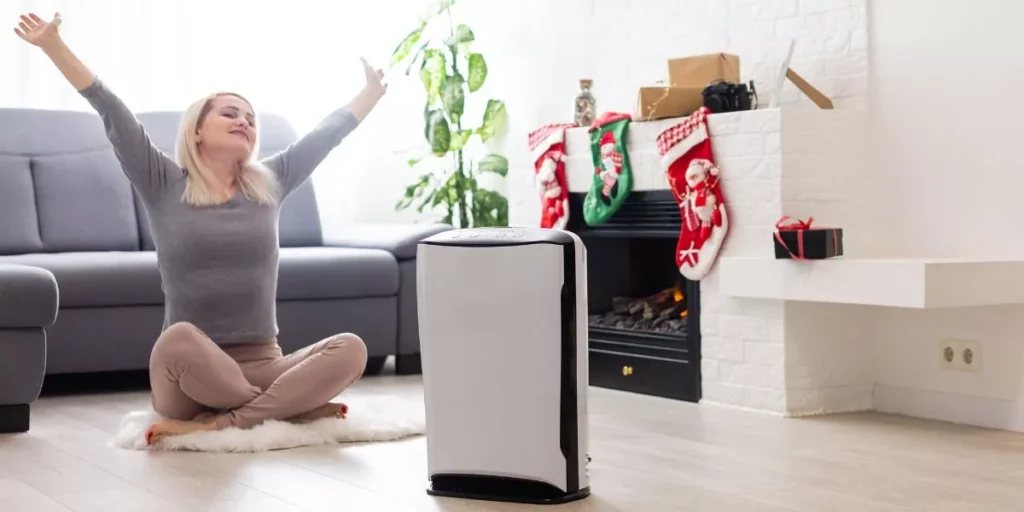
When selecting an air purifier for your home, you must consider various factors to ensure you make the right choice. From room size to filtration technology, each aspect plays a crucial role in determining the effectiveness of the purifier in improving your indoor air quality. By understanding these key elements and how they impact your selection, you can create a healthier environment for you and your loved ones.
Room Size Considerations
When selecting an air purifier for your home, consider the size of the room it will be placed in to ensure optimal performance. Matching the air purifier’s capacity to the room size is crucial for efficient air purification. If the purifier is too small for the room, it will struggle to clean the air effectively. Conversely, an oversized purifier may consume unnecessary energy without providing any additional benefits.
To determine the right size air purifier for your room, measure the square footage of the space. Most air purifiers specify the maximum room size they can effectively clean. For smaller rooms like bedrooms or home offices, compact air purifiers are suitable. Larger living rooms or open-concept areas may require more powerful models with higher Clean Air Delivery Rate (CADR) values.
Keep in mind that placing an air purifier in a room larger than its recommended size can lead to subpar air cleaning results. By choosing the right-sized purifier for your room, you can ensure that the air is efficiently purified, creating a healthier indoor environment for you and your family.
Filtration Technology Options
For optimal air purification in your home, selecting an air purifier with the right filtration technology is essential to effectively remove contaminants from the air. When choosing an air purifier, consider the type of filtration technology it utilizes.
High-Efficiency Particulate Air (HEPA) filters are highly recommended for capturing particles as small as 0.3 microns, including dust, pollen, pet dander, and mold spores. HEPA filters can trap up to 99.97% of airborne particles, making them ideal for improving air quality.
Another effective filtration technology is activated carbon filters, which excel at removing odors, smoke, and harmful gases from the air. These filters work by adsorbing the particles onto a porous surface, neutralizing unwanted odors and chemicals.
Some air purifiers also incorporate ultraviolet (UV) light technology to kill germs and bacteria in the air. UV-C light can destroy the genetic material of microorganisms, preventing them from reproducing and circulating in your home.
Consider your specific air quality needs to choose the best filtration technology for your home.
Noise Levels and Placement
Consider the noise levels and placement of your chosen air purifier to ensure optimal performance and minimal disruption in your home.
When selecting an air purifier, take into account the decibel level it produces. Look for models with lower decibel ratings, especially if you plan to use the purifier in a bedroom or living area where quiet is essential.
Additionally, consider the placement of the air purifier within your home. For the best results, place the purifier in a central location where it can effectively circulate clean air throughout the room. Avoid obstructing the airflow by placing the purifier in a corner or behind furniture.
Optimal placement can maximize the purifier’s efficiency and ensure that it can clean the air effectively. By paying attention to noise levels and strategic placement, you can enjoy the benefits of clean air without unnecessary disturbances in your living space.
Maintenance and Cost Factors
To ensure the longevity and cost-effectiveness of your air purifier, regularly scheduled maintenance is crucial. By following the manufacturer’s guidelines for cleaning or replacing filters, you can keep your air purifier running efficiently. Dirty filters can hinder the purifier’s performance, leading to increased energy consumption and decreased air quality. Additionally, consider the long-term cost of replacement filters when choosing an air purifier. Some models have expensive filters that need frequent changing, while others offer more affordable options.
Apart from filter maintenance, remember to clean the exterior of your air purifier regularly. Dust and debris can accumulate on the surface, affecting its appearance and potentially interfering with its functionality. Keeping the unit clean can help prevent issues and extend its lifespan.
When budgeting for an air purifier, factor in not just the initial purchase cost but also ongoing maintenance expenses. Look for models with reasonable filter prices and consider the estimated filter lifespan to gauge long-term costs accurately. By staying on top of maintenance tasks, you can ensure your air purifier operates efficiently and lasts for years to come.
Trending Products